Enhancing PRP Injections with SoftWave TRT: A Regenerative Combination Approach
Written by Alix Long - Physiotherapist
Platelet-Rich Plasma (PRP) injections have become a well-established regenerative treatment for a range of musculoskeletal conditions, including tendon injuries, ligament strains, and early joint degeneration. More recently, clinicians have begun combining PRP with SoftWave TRT (using the OrthoGold device) to help optimize the healing environment after injection.
Rather than choosing one therapy over the other, this approach uses PRP first to deliver biological healing signals, followed by SoftWave TRT 1–2 weeks later to support and enhance tissue recovery.
Step 1: PRP Injection — Initiating Biological Healing
PRP is created from the patient’s own blood and contains a high concentration of platelets and growth factors. When injected into injured or degenerative tissue, PRP aims to:
Stimulate collagen production
Promote tissue repair and remodeling
Support cellular regeneration
Trigger a localized healing response
Following a PRP injection, it is normal for patients to experience temporary soreness or stiffness as the inflammatory healing cascade begins. This early phase is critical — it sets the foundation for long-term tissue change.
Why Add SoftWave TRT After PRP?
While PRP provides biological input, healing tissues also depend on:
Adequate blood flow
Cellular activation
Mechanical signaling
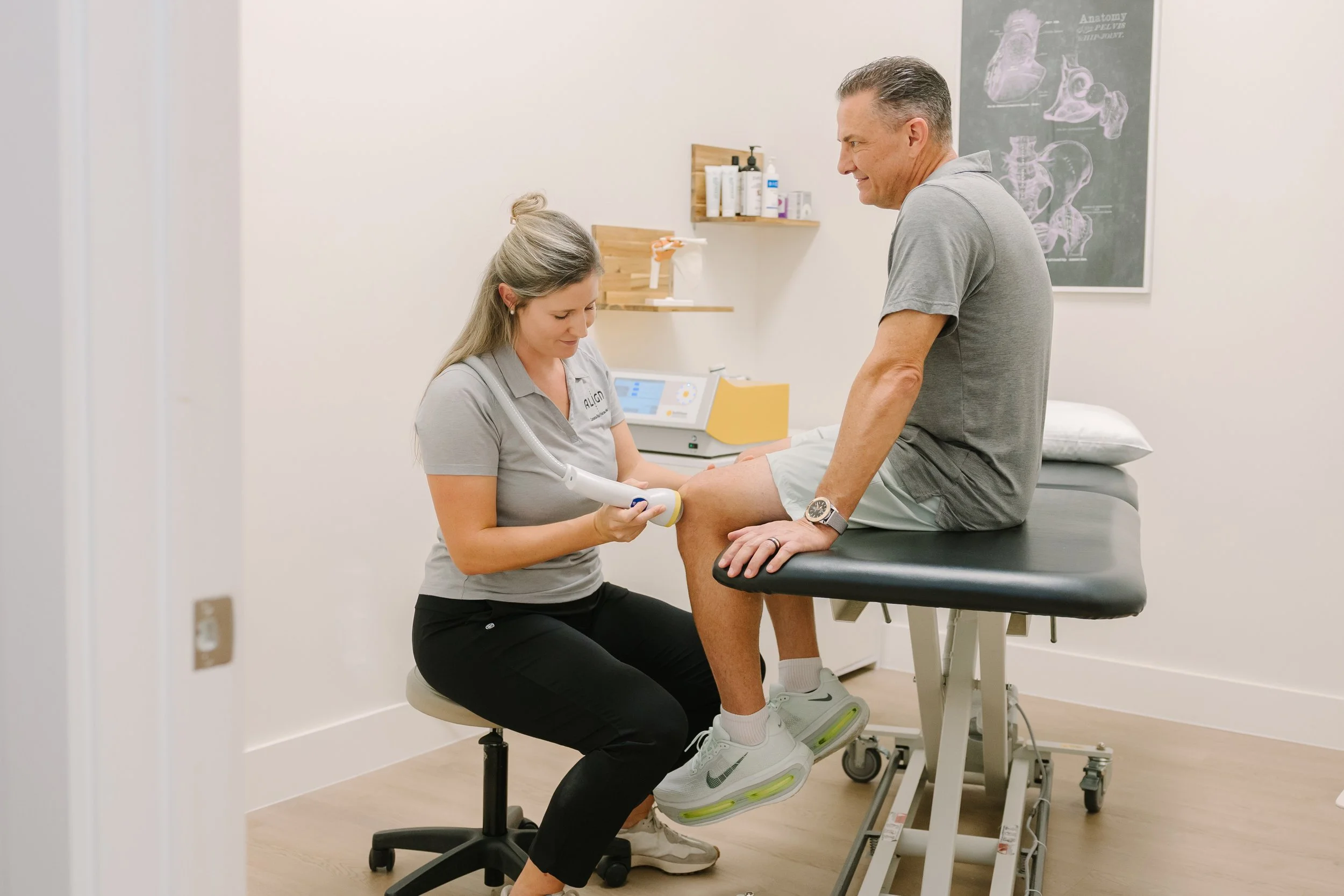
This is where SoftWave TRT fits in. SoftWave uses unfocused soundwaves to stimulate tissue at a cellular level — without needles, medication, or downtime. When introduced after the initial PRP inflammatory
phase (typically 1–2 weeks post-injection), SoftWave may help:
Improve local circulation
Support angiogenesis (new blood vessel formation)
Reduce excessive or lingering inflammation
Activate resident repair cells
Encourage tissue remodeling and regeneration
The goal is not to replace PRP, but to enhance the environment in which PRP-initiated healing occurs.
Why Timing Matters (1–2 Weeks Post-PRP)
SoftWave is usually not applied immediately after PRP. Waiting 1–2 weeks allows:
The initial PRP-driven inflammatory response to occur naturally
Injection-related soreness to settle
Tissue sensitivity to normalize
At this stage, SoftWave can act as a mechanical stimulus to reinforce healing rather than disrupt it.
Clinical Rationale for the Combination
Think of it as a two-step process:
PRP delivers concentrated growth factors to initiate repair
SoftWave TRT supports circulation, cellular activity, and tissue responsiveness during the recovery phase
Together, they aim to:
Improve tissue quality over time
Support more efficient healing
Complement rehabilitation and physiotherapy
This approach is often used alongside structured rehab, which remains essential for restoring strength, movement, and load tolerance.
Who May Benefit Most
This combined strategy may be considered for patients with:
Chronic tendinopathies
Ligament injuries
Overuse or degenerative conditions
Incomplete response to PRP alone
A desire to avoid repeated injections or surgery
Patient selection and clinical judgment are key — not every condition or individual requires both.
What Patients Should Know
SoftWave is non-invasive and does not involve needles
Sessions are brief and typically well tolerated
Results vary depending on the condition and individual healing response
Neither PRP nor SoftWave replaces the need for appropriate rehabilitation
Bottom Line
Using SoftWave TRT after PRP injections is a strategic way to combine biological healing signals with mechanical stimulation. By timing SoftWave 1–2 weeks after PRP, clinicians aim to support circulation, cellular activity, and tissue regeneration during a key phase of recovery.
When integrated with physiotherapy and appropriate load management, this combined approach may help patients achieve better functional outcomes and long-term tissue health.